Living between
the concrete and the crater.
In the high-velocity environment of Surabaya or Jakarta, your energy is a finite resource. We view the city not as a obstacle, but as a landscape requiring specific navigation. These are the manual adjustments—the calibration of breath and movement—that allow you to sustain impact without burning out.
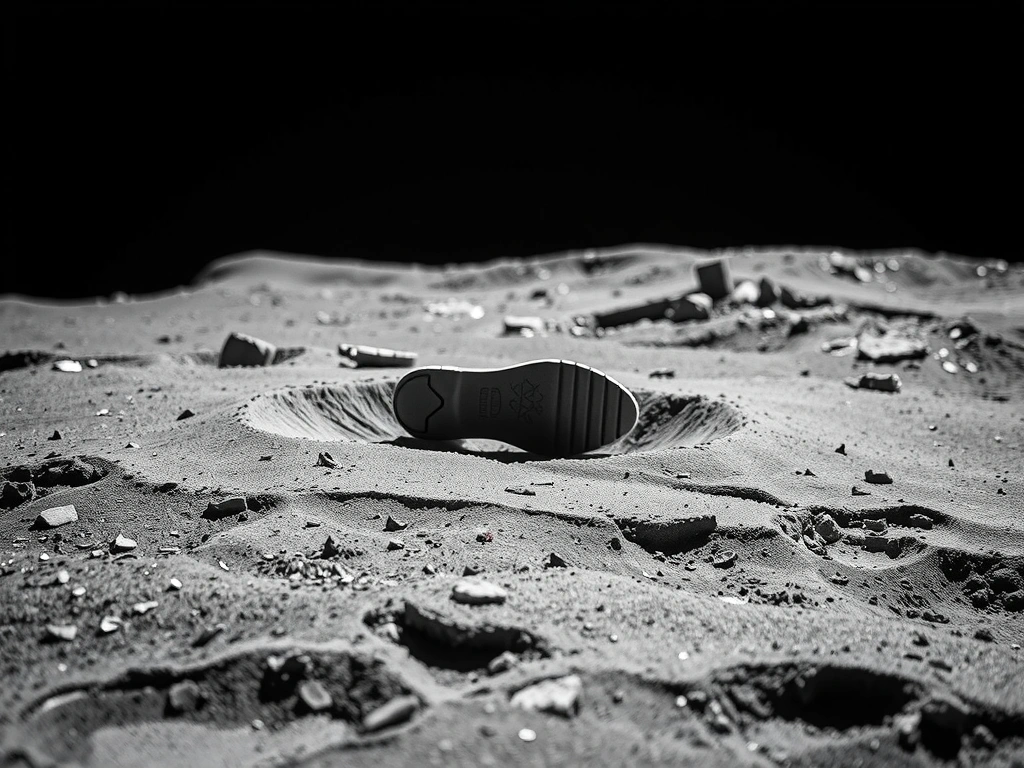
Observation 001: The mark of exertion.
Protocol Framework
Adjusting the internal clockStatic Decompression
The simplest way to reverse the physical tax of a commute is 90-degree elevation. Spend ten minutes with your back on the floor and legs vertical against a wall. This shift in gravity assists circulation and signals a hard stop to the day's physical demands.
- Technique: Vertical Drainage
- Duration: 600 Seconds
- Focus: Lumbar Release
Controlled Respiration
Build better **breathing exercises** into transitional moments—while waiting for a lift or during a traffic surge. Use the 4-4-8 rhythm: inhale for four, hold for four, exhale for eight. The extended exhale is the mechanical key to down-regulating your nervous system.
- Technique: Box-Extension
- Frequency: 3x Daily
- Outcome: Vagus Activation
Visual Fasting
Our environment is saturated with artificial luminance. **Sleep habits** are dictated by the two hours before bed. Establish a "gray-out" period: no screens, dim warm lighting, and tactile engagement—like reading paper or organizing a physical space.
- Technique: Digital Sunset
- StartTime: 21:00
- Tool: Analog Stimuli
Recovery is not a pause in your life.
It is the fuel for its continuation.
We often mistake stillness for inactivity. On the lunar surface, every movement is calculated because the cost of error is high. Urban life is similar. When you apply **stretching** to your morning, you aren't just lengthening muscle; you are verifying the integrity of your frame for the day ahead.
Traditional **routine building** often fails because it adds "work" to the day. Our approach is reductive. Remove the noise. Small, low-intervention shifts in how you sit, how you hydrate, and how you disconnect yield the most sustainable results.

The 5-Minute Urban Reset
A portable sequence for high-stress environments.
Peripheral Sight
Softening your gaze. Look into the distance to relax the fine muscles of the eyes tired by close-set screens.
Cervical Glide
Slow, lateral neck movements. Neutralize the tension accumulated from looking down at devices or steering wheels.
Diaphragm Expansion
Three deep, belly-focused inhalations. This physically displaces the tightness in the chest caused by stress.
Thermal Contrast
Splashing cold water on the face or wrists. A quick sensory reset to clear the mental fog of a long day.
The Real Math of Recovery
20 Minutes Daily
Dedicated time for **recovery techniques**—stretching, breathing, and genuine disconnection. It feels like a sacrifice when schedules are tight.
Sustained Clarity
Lower cortisol levels, improved structural alignment, and a significant increase in late-afternoon decision-making quality. The work becomes easier because the worker is tuned.
Forced Downtime
Ignoring these practices leads to a system failure. Not a "disease" or a "pathology"—simply a machine that has run out of oil. The body will eventually demand the rest you refuse to give it.
Ready to define your own essential daily markers? Visit our Philosophy page to understand the deeper logic behind our approach, or find us in Surabaya to start a conversation.
Jl. Jenderal Ahmad Yani No. 7, Kel. Kertajaya,
Kec. Gubeng, Surabaya 60282
+62 31 9033 651
[email protected]
Mon-Fri: 09:00 - 18:00
Surabaya Time (WIB)